One Thing I Changed That Makes Working from My Laptop More Comfortable
One Thing I Changed That Makes Working from My Laptop More Comfortable
I had been working off my laptop at the same desk for months before I noticed a small pattern.
I would start a work session feeling fine. But about two hours in, I would notice that my shoulders felt tense and my neck slightly strained.
The laptop itself was fine. My chair was fine. The room was fine.
What was not fine was the way I was staring down at the screen for long periods. It was subtle enough that I barely noticed at first, until it was a recurring distraction.
A simple adjustment that helped without complicated setups
I was not ready to redesign my desk or buy pricey gear. I just needed something that put the screen at a more comfortable angle without adding clutter.
That meant finding a way to elevate the laptop without stacking books or forcing awkward positions.
So I looked for something that was:
stable
simple
easy to use
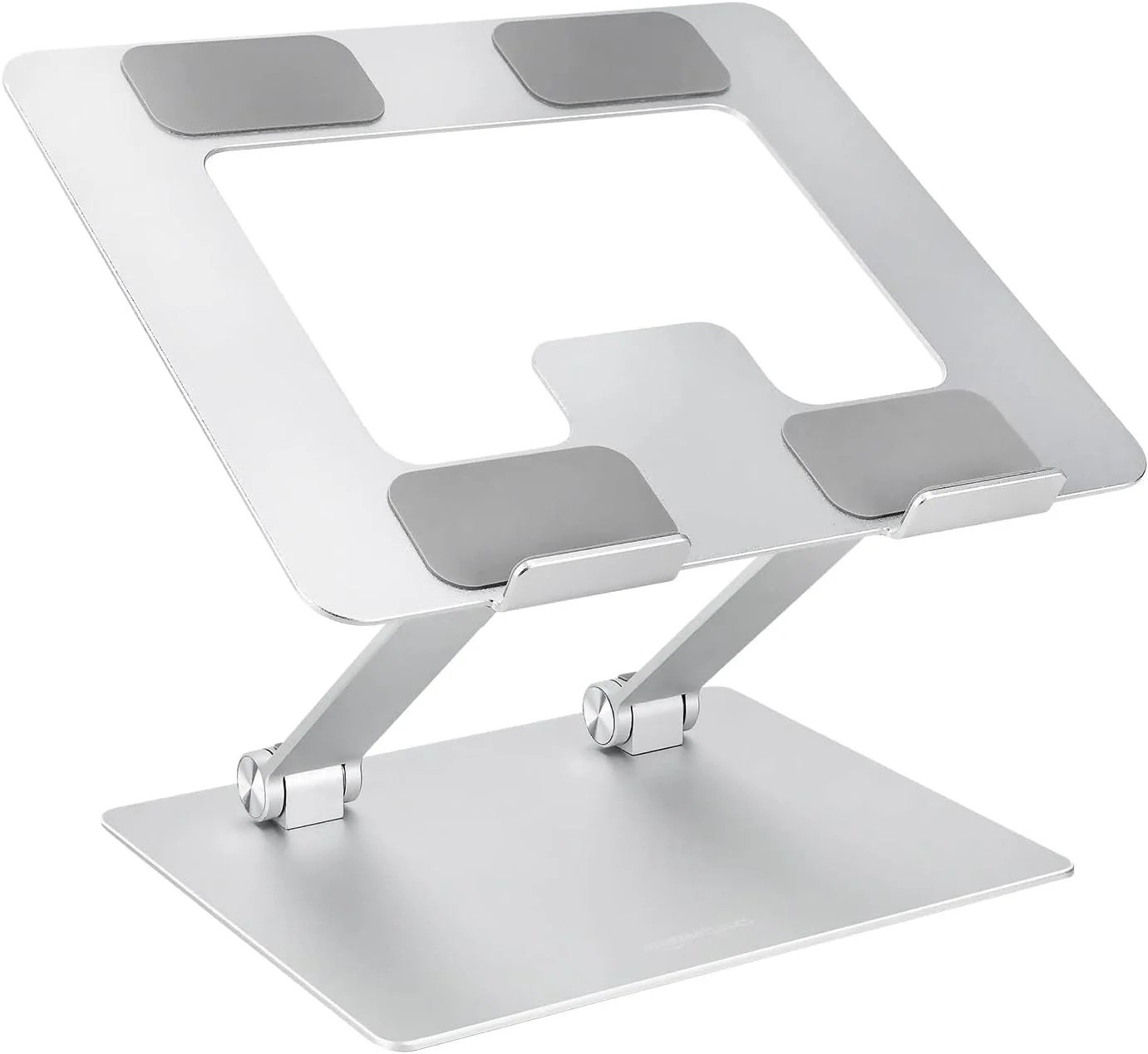
And that is where this laptop stand came in.
This is the one I use
I chose a laptop stand that is sturdy, minimal, and easy to take with me if I move around the house.
It brings the screen up just enough that I am not constantly looking down, and it does not get in the way of my keyboard or trackpad when I am typing.
If that sounds like something that would make your day feel more comfortable, you can check out the one I use here:
👉 Here is the laptop stand on Amazon
What it does without being a hassle
I did not pick this because it is flashy or expensive.
I picked it because it removes a little bit of strain without asking me to change how I already work.
Some days that is all I need.
Since putting the laptop on this stand, I spend longer stretches working without thinking about posture. I lose fewer minutes readjusting. I feel less tension at the end of the day.
It is not a dramatic shift. It is just one small piece that makes the workday a bit easier.
Why this matters more than it sounds
Comfort does not usually announce itself as a problem.
It creeps in. It lingers. You barely notice until it is dragging you down.
Once that small annoyance is gone, it is easier to stay focused without thinking about it.
You are not working harder. Things just feel a little smoother, and that adds up over time.

How to Choose Tools for Content Creation Without Over-complicating It
How to Choose Tools for Content Creation Without Over-complicating It
There’s no shortage of tools marketed to creators and small businesses. Most of them promise faster results, better output, or a more “professional” workflow.
In reality, choosing tools is less about finding the best option and more about avoiding unnecessary complexity. This post is meant to help you think through that process without turning it into a bigger project than it needs to be.
The most common mistake
A common mistake is trying to solve every potential problem upfront. People buy multiple tools, subscriptions, or templates before they’ve actually identified what they need.
Instead of making things easier, this usually adds friction. More tools mean more decisions, more setup, and more time spent managing systems instead of doing the work.
What actually matters when choosing tools
When deciding whether a tool is worth using, a few simple questions tend to be more helpful than feature lists:
Does it solve a real problem I have right now?
Can I use it consistently without friction?
Does it fit into how I already work?
Can I stop using it later without breaking everything?
If a tool doesn’t pass most of these checks, it’s probably not necessary yet.
Start with constraints, not features
Instead of asking “What’s the best tool?”, it’s often more useful to ask:
How much time do I realistically have?
How often will I actually use this?
What am I trying to make easier right now?
Constraints clarify decisions. Features tend to complicate them.
Starting simple and adjusting as you go is usually more effective than trying to build a perfect setup from the beginning.
A note on recommendations
Over time, you’ll come across tools or products that genuinely make things easier. When that happens, it’s worth paying attention to why they help, not just what they offer.
This site will occasionally highlight products or tools that fit that description, not because they’re trendy, but because they reduce friction in real workflows.
Final thought
If you’re still figuring out what tools you actually need, that’s normal. Most people are.
Keeping things simple and adjusting as you go is usually better than trying to get everything right on the first pass.
Some posts may include occasional product or tool recommendations when they’re genuinely relevant.